Personal Growth

Founder and Psychologist
by Dr. Elisha Goldstein
“Sometimes compassion means holding yourself with tenderness. Other times, it means standing tall and protecting your boundaries.” – Kristin Neff
We Explore:
00:00 – Why self-compassion is more than self-kindness
03:45 – Understanding “fierce” vs. “tender” self-compassion
10:12 – How stress affects your ability to be compassionate
17:40 – The surprising link between self-compassion and resilience
25:03 – Why saying “no” can be an act of compassion
32:28 – Moving from self-criticism to self-encouragement
40:16 – Practical tools for activating fierce self-compassion
47:52 – Building a compassionate inner ally for life
SHOWNOTES
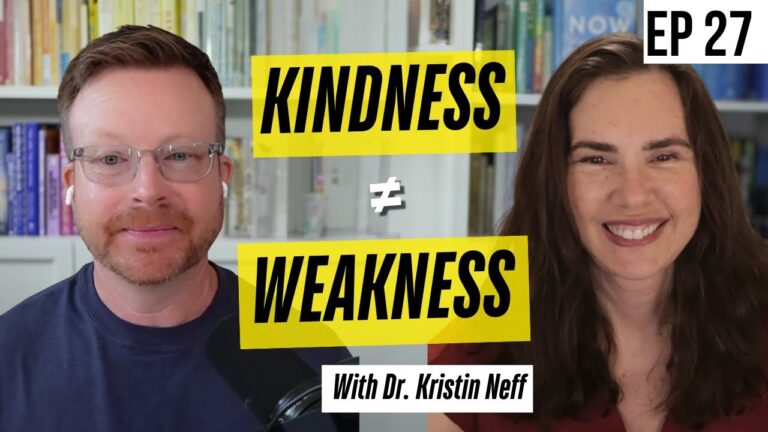
When people hear “self-compassion,” they often think of soft, gentle kindness. But in this episode of The Emotional Longevity Podcast, Dr. Elisha Goldstein talks with Kristin Neff, pioneering self-compassion researcher and author, about the full picture: self-compassion isn’t always quiet or gentle – sometimes, it’s strong, boundary – setting, and fiercely protective.
Together, they explore the two faces of compassion – tender (nurturing, soothing) and fierce (protective, action-oriented) – and how both are essential for true emotional resilience.
Beyond the Myths of Self-Compassion
Self-compassion is often mistaken for indulgence or weakness. Kristin turns that idea upside down:
“When you’re compassionate toward yourself, you’re more motivated, more resilient, and more able to face life’s challenges head-on.”
In this conversation, you’ll learn:
- Why self-compassion actually increases personal responsibility
How stress triggers our “threat-defense” system – and how compassion calms it
Why over-identifying with emotions keeps us stuck
How to balance fierce advocacy for yourself with empathy for others
Fierce Self-Compassion in Action
Kristin shares powerful, research-backed ways to bring compassion into moments when life demands strength – whether that means standing up for yourself at work, saying “no” to unhealthy dynamics, or persisting through personal challenges.
She also addresses one of the biggest obstacles: our internal critic.
“You can’t shame yourself into change. But you can encourage yourself there.”
What This Means For You
Here’s what you can start practicing today:
Speak to yourself as you would to a trusted friend – with both warmth and honesty.
When setting boundaries, remember they protect not only you but your relationships.
Notice when your inner critic speaks up — and respond with encouragement instead of attack.
Final Thoughts: Strength with Heart
Want to Go Deeper?
Uncover the Power Within isn’t just a coaching program, it’s a supportive space to strengthen emotional resilience and build meaningful connection. With the support of a trusted community and science-backed guidance, you’ll learn how to regulate your nervous system, reduce overwhelm, and create more emotionally safe, fulfilling relationships—starting with the one you have with yourself.
If you’re ready to live with more intention, clarity, and connection, schedule a call with me to explore what’s possible.
Subscribe to The Emotional Longevity Podcast for more conversations that inspire personal growth, emotional resilience, and thriving relationships.
If this episode resonated with you, consider sharing it with someone who may be feeling disconnected or navigating relationship challenges. It might be the reminder they need – that healthy love isn’t about perfection, but about presence, repair, and learning to grow together. They can listen to this episode of The Emotional Longevity Podcast or read this blog.
Take care of yourself – and remember, every strong relationship starts with emotional awareness, compassion, and a willingness to show up.