Personal Growth

Founder and Psychologist
by Dr. Elisha Goldstein
“Your sensitivity isn’t a weakness – it’s a strength. With boundaries and self-care, it becomes your superpower.” – Dr. Judith Orloff
We Explore:
00:00 – Why sensitivity is not weakness but wisdom
06:10 – How to spot the “red line” before overwhelm takes over
12:20 – Simple strategies for protecting your energy in crowded spaces
18:00 – Why boundaries are essential for empaths to thrive
25:00 – The link between sensitivity, anxiety, and self-compassion
32:40 – How rituals in nature help release stress and restore balance
40:30 – Balancing empathy for others with compassion for yourself
46:15 – Supporting sensitive children so they grow into confident leaders
52:00 – What an empath-friendly society could look like
58:30 – A tiny shift: using breath and silence to reset in moments of overwhelm
SHOWNOTES
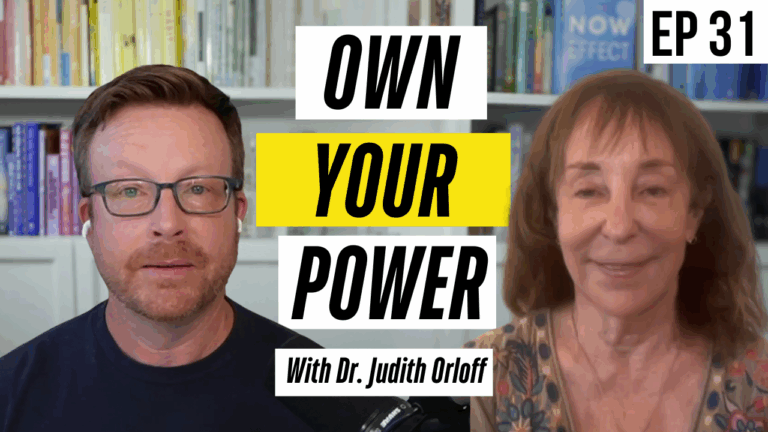
When someone says “You’re too sensitive”, it can feel like a put-down – as if caring deeply or feeling intensely makes you weak. But in this episode of The Emotional Longevity Podcast, that’s what I explored in my conversation with Dr. Judith Orloff, UCLA psychiatrist, bestselling author of The Genius of Empathy and her upcoming children’s book The Highly Sensitive Rabbit. She’s often called the Godmother of the Empath Movement.
Beyond the Myth of “too sensitive”
From childhood, many empaths are told they don’t belong, that they’re “crybabies,” or that they need to toughen up. Dr. Orloff explains why that message is wrong – and why sensitivity is actually a gift:
“Men are sensitive beings. The next paradigm of how to be a man is to be sensitive and strong – and not have that be an issue.” – Dr. Judith Orloff
In this episode, you’ll learn:
Why empaths and highly sensitive people often feel exhausted or overstimulated
How shame and criticism in childhood shape our adult struggles with sensitivity
Why boundaries are essential to protect your energy and empathy
Practical ways to recharge – from meditation to mindful time in nature
From Exhaustion to Empowerment
Empaths often absorb the stress and suffering around them, leading to overwhelm, fatigue, and even burnout. Dr. Orloff shares simple, science-backed practices to shift out of survival mode:
Set limits: Learn the art of saying no without guilt.
Create space: Small actions – like taking a quiet break in the bathroom or stepping outside – can reset your nervous system.
Use rituals: Whether placing flowers in the ocean or hugging a tree, grounding practices help release built-up tension.
Body cues matter: When your stomach knots or exhaustion hits suddenly, it’s your body telling you to pause.
These aren’t just coping strategies – they’re tiny shifts that allow your sensitivity to shine as a source of strength.
What This Means For You
If you’ve ever felt drained by your empathy or wished you weren’t so sensitive, this episode is a reminder: your sensitivity is not the problem. It’s the lack of boundaries and self-care that creates suffering.
Here’s what you can start practicing today:
Notice the red line. Pay attention when your body says “enough” – that’s the signal to pause.
Build micro-rituals. Even one deep breath followed by five beats of silence can create space between you and overwhelm.
Release shame. Sensitivity isn’t weakness – it’s wisdom. Let go of the old stories that say otherwise.
Final Thoughts: Sensitivity as Strength
A more empath-friendly world is possible – one where leaders value empathy, workplaces provide space for quiet, and children are supported in their sensitivity instead of shamed for it.
As Dr. Orloff reminds us, the real path isn’t about hardening yourself – it’s about combining sensitivity with strength, compassion with boundaries. That balance doesn’t just protect you – it makes you a source of healing and connection for others.
Want to Go Deeper?
Uncover the Power Within isn’t just a coaching program, it’s a supportive space to strengthen emotional resilience and build meaningful connection. With the support of a trusted community and science-backed guidance, you’ll learn how to regulate your nervous system, reduce overwhelm, and create more emotionally safe, fulfilling relationships—starting with the one you have with yourself.
If you’re ready to live with more intention, clarity, and connection, schedule a call with me to explore what’s possible.
Subscribe to The Emotional Longevity Podcast for more conversations that inspire personal growth, emotional resilience, and thriving relationships.
If this episode resonated with you, consider sharing it with someone who may be feeling disconnected or navigating relationship challenges. It might be the reminder they need – that healthy love isn’t about perfection, but about presence, repair, and learning to grow together. They can listen to this episode of The Emotional Longevity Podcast or read this blog.
Take care of yourself – and remember, every strong relationship starts with emotional awareness, compassion, and a willingness to show up.